


IMRO Rwanda (Ihorere Munyarwanda Organisation) is a legally recognised Non-Governmental Organization operating in Rwanda, granted legal personality No 03/11 under the new Law number 04/2012. Established in 1999, IMRO Rwanda has dedicated 25 years to improving the lives of Rwandans through diverse interventions targeting societal enhancement and health promotion.
IMRO Rwanda has 25 years of experience working with key populations and priority groups across nine districts in Rwanda. Through collaborative agreements with 45 associations and cooperatives, IMRO Rwanda has successfully enrolled 23,774 Female Sex Workers (FSWs) and 1,437 Men who have Sex with Men (MSM) into its HIV/AIDS programs. Additionally, our socio-economic interventions have empowered up to 4,000 beneficiaries facing economic hardships. Our education and awareness campaigns related to Sexual and Reproductive Health and Rights (SRHR) have reached over 500,000 individuals, ranging from adolescents in schools to the general population.


High School Adolescents Trained on Sexual Reproductive Health, held on October 20, 2024, in Bugesera District, aimed to empower adolescents.

In a dissemination workshop held in Kigali on September 11, 2024, IMRO Rwanda, key stakeholders gathered to address the critical issue of menstrual hygiene management in Rwanda.

Umuryango utari uwa Leta IMRO uharanira uburenganzira bwa muntu wibanda ku buzima bw’imyororokere no kurwanya SIDA,

Umuryango utari uwa Leta IMRO (Ihorere Munyarwanda Organisation) uharanira uburenganzira bwa muntu wibanda ku buzima bw’imyororokere no kurwanya SIDA,

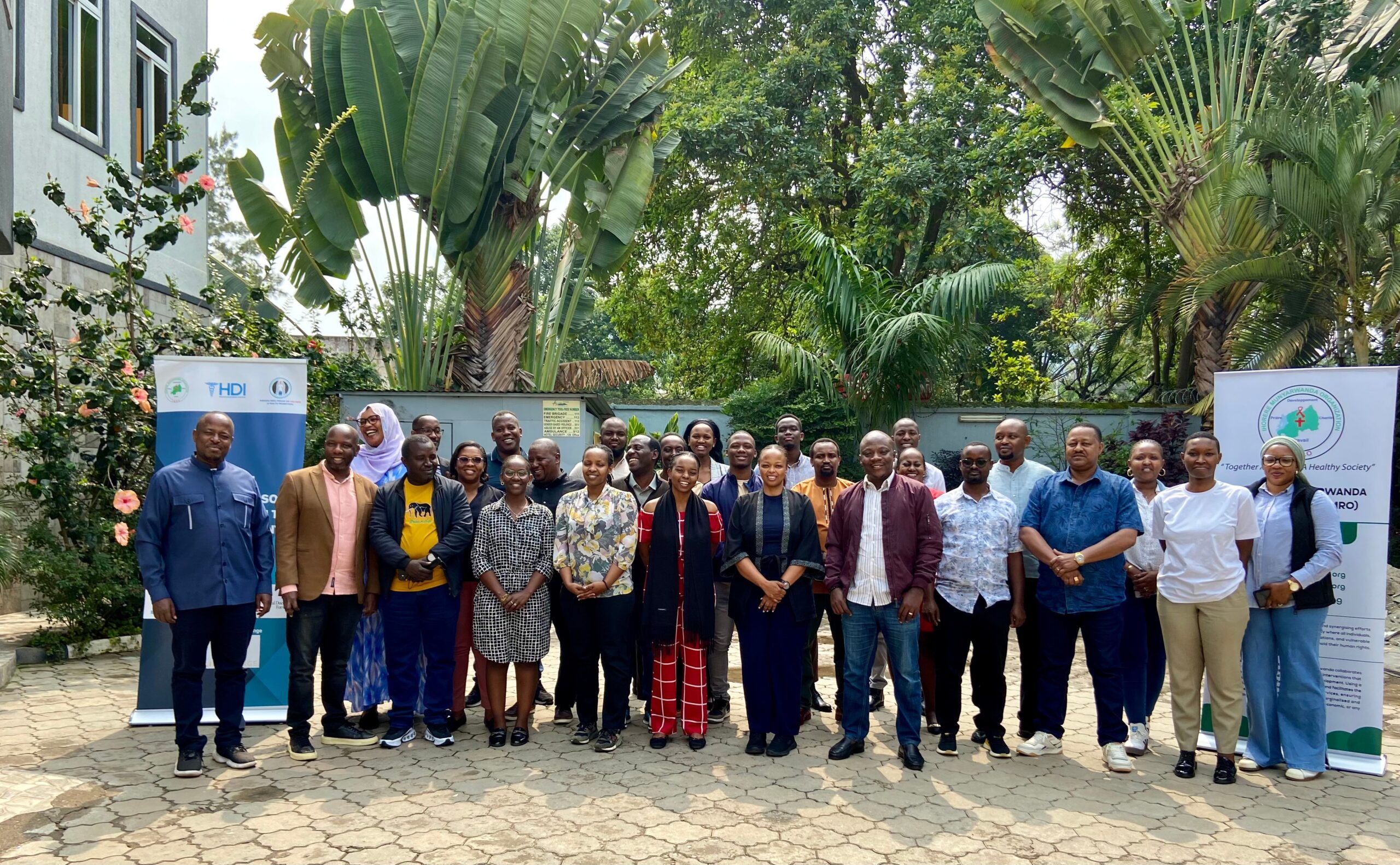
Ihorere Munyarwanda Organization (IMRO) Rwanda conducted training on the appropriate language to use when providing information on sexual health.
Sosiyete Sivile Yita Ku Buzima Yongerewe Ubumenyi Ku Gutanga Amakuru Y’ubuzima Bw’imyororokere Imiryango itandukanye yo muri sosiyete sivile ariko ikora ku buzima


